How an Emergency Dentist Can Help After a Fall or Collision
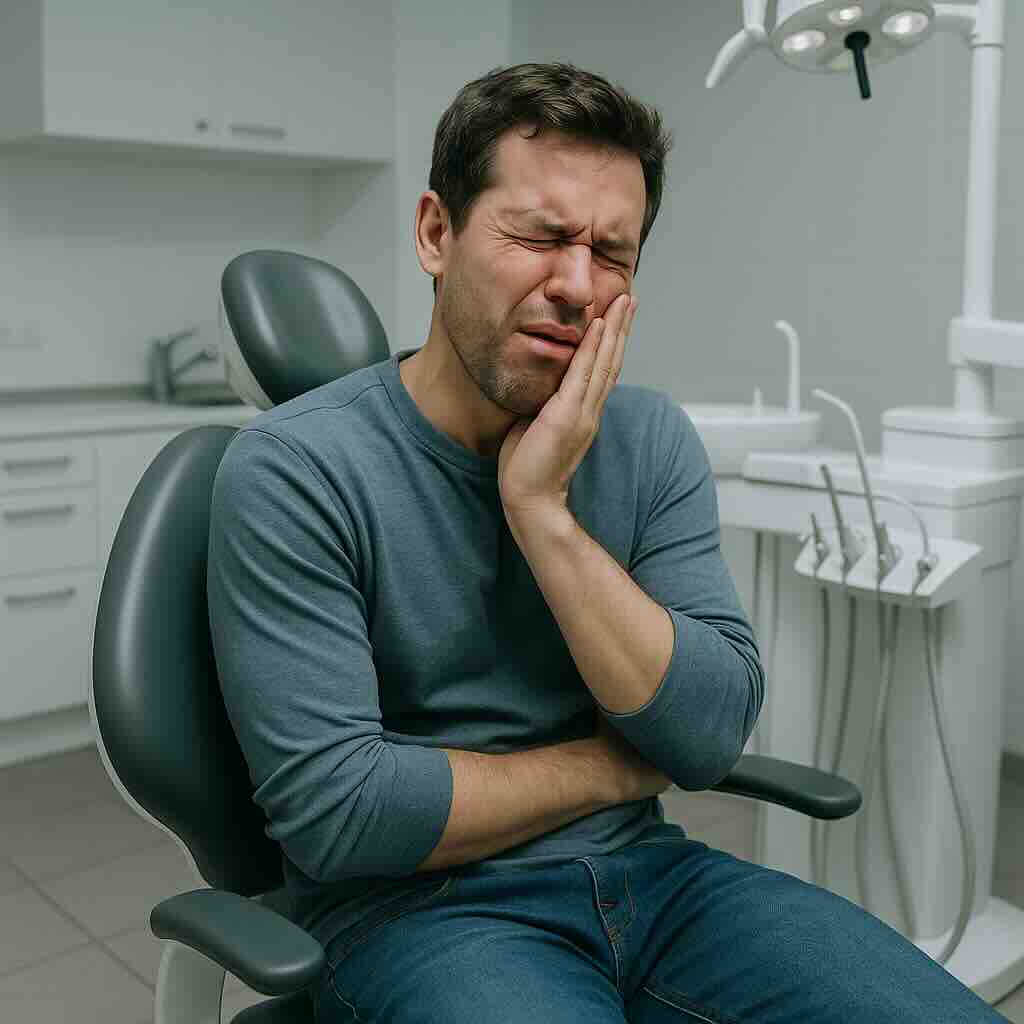
A fall on a wet floor, a collision during a pickup basketball game, a bike crash, a fender bender with an airbag deployment, a toddler slipping off a step stool, these moments happen fast. Dental injuries happen just as fast, and they are often more serious than they first appear. A chipped tooth may hide a deeper crack. A tooth that looks only slightly out of place may have significant damage to the supporting bone and ligament. Gum bleeding may be the least important part of the injury if the tooth pulp has been compromised.
That is where an Emergency Dentist becomes essential. The right care in the first few hours can make the difference between saving a tooth and losing it, between a straightforward repair and months of more complex treatment. People often assume they can wait a day or two if the pain is manageable, but with dental trauma, appearance can be misleading. Time matters, especially when a tooth has been knocked loose, pushed out of position, or completely avulsed.
Dental trauma rarely arrives in a neat package. It comes with swelling, confusion, adrenaline, and sometimes a split lip or a sore jaw that distracts from what is happening inside the mouth. In real practice, patients often walk in saying they “just want the chip smoothed,” only to learn they also have a root fracture, a bite problem, or signs of a concussion that need medical attention first. The value of emergency dental care is not only treatment, but triage and judgment.
The first few minutes after the injury matter
After a fall or collision, people usually focus on blood, visible damage, and pain. Those are understandable priorities, but dental trauma should also prompt a few quick checks. Can the person open and close comfortably? Are any teeth missing? Does the bite feel different? Is there numbness in the lip or chin? Is there dizziness, vomiting, or loss of consciousness?
An Emergency Dentist is trained to sort out what is purely dental and what may point to a larger facial injury. If there is any suspicion of head injury, neck injury, uncontrolled bleeding, difficulty breathing, or a possible broken jaw, emergency medical care comes first. Dental treatment is important, but it should never overshadow signs of a medical emergency.
When the situation is stable, the next step is preserving what can still be saved. That can mean handling a knocked out tooth correctly, avoiding pressure on a loose one, protecting a cracked tooth from further damage, or controlling swelling before it gets worse. The public often thinks of dentistry as scheduled care, but trauma dentistry works on the clock. Minutes and hours matter in a way that routine dentistry usually does not.
What an Emergency Dentist looks for that patients may miss
Trauma assessment is more than finding the obvious broken edge on a front tooth. A careful emergency exam usually includes the teeth, roots, gums, bite, supporting bone, soft tissues, and jaw joints. In many cases, X-rays are needed because the visible injury is only part of the story.
A front tooth can look intact and still have internal pulp damage that shows up days or weeks later. A small chip near the edge can be harmless, or it can expose dentin and lead to significant sensitivity. A tooth that feels “a little funny” when biting may have a vertical crack or a bruised periodontal ligament. A lip cut can hold a fragment of tooth, which changes both treatment and healing.
I have seen patients whose main complaint was a swollen lip, while the more serious problem was a lateral luxation, meaning a tooth had been pushed sideways into bone. I have also seen children brought in for a “tiny chip” after a playground collision, only for imaging to show a root fracture. That is why trauma care is not just repair work. It is diagnosis under pressure.
Knocked out teeth are the clearest example of why speed matters
A tooth that has been completely knocked out presents one of the most time-sensitive situations in dentistry. If it is a permanent tooth, rapid action can improve the chance of reimplantation and long-term survival. The living cells on the root surface are delicate. If the tooth dries out for too long, outcomes worsen.
For adults and older children with permanent teeth, an Emergency Dentist will usually want to see that patient immediately. Sometimes the tooth can be reimplanted at once if it has been handled properly and the surrounding structures allow it. The dentist will clean the area as needed, reposition the tooth, and often splint it to neighboring teeth to stabilize healing. Follow-up is just as important, because these teeth often need monitoring for pulp necrosis, root resorption, or later root canal treatment.
Primary teeth are different. A baby tooth that is knocked out is usually not reimplanted because doing so can harm the developing permanent tooth beneath it. This is one of those situations where well-meaning parents can make things worse by assuming all knocked out teeth should be put back in. Age and tooth type matter.
If a permanent tooth is knocked out, these steps are usually the most helpful before you reach the office:
- Pick the tooth up by the crown, not the root.
- If it is dirty, rinse it briefly with milk or saline, or clean water if nothing else is available.
- If possible, place it back in the socket gently and have the person bite on clean gauze.
- If that is not possible, keep it moist in milk, saline, or inside the cheek if the person is old enough to do that safely.
- Get to an Emergency Dentist immediately.
That short list can preserve options. The opposite, wrapping the tooth in tissue, scrubbing the root, or letting it sit dry in a cup holder, can sharply reduce the chance of saving it.
Not every dental injury looks dramatic
The injuries that make people hesitate are often the ones that deserve more respect. A hairline crack in an incisor may not bleed. A tooth that was hit but not displaced may ache only when biting on something firm. The lip swelling can distract from a subtle bite change, and subtle bite changes are often meaningful.
A concussion injury to a tooth is a good example. The tooth is not displaced and may not be mobile, but the ligament around it has been bruised. Patients describe it as tender, high, or “different.” In many cases, these injuries settle with observation, a softer diet, and follow-up testing. In some, they evolve into nerve damage that requires later treatment. The emergency visit establishes a baseline and catches the cases that are more than a simple bruise.
Cracks deserve special caution. A cracked tooth after a collision can behave unpredictably. Small enamel cracks may be harmless and mostly cosmetic. Deeper fractures may involve the dentin or pulp, causing sensitivity to air, sweets, or temperature. If the crack extends below the gumline or into the root, the treatment path becomes more complicated and may involve stabilization, root canal therapy, or extraction.
This is one reason emergency dental visits often include a plan that unfolds over time. On day one, the dentist may smooth a sharp edge, place a protective covering, reposition a displaced tooth, or bond a fragment back in place. Then, over the next days and weeks, they reassess vitality, mobility, and healing before deciding whether a crown, root canal, or more definitive restoration is needed.
When a chipped tooth is truly urgent
Patients often ask whether a chipped tooth counts as an emergency. Sometimes yes, sometimes no. The answer depends on the extent of damage, symptoms, and how the tooth is functioning.
A minor enamel chip with no pain can sometimes wait for prompt but not immediate care. It still deserves attention because sharp edges can cut the tongue or lip, and even small chips can weaken a tooth if there is more structure loss than expected. If the chip exposes dentin, the tooth may become very sensitive and should be seen sooner. If pink or red tissue is visible in the center of the break, the pulp may be exposed, and that is a true dental emergency.
Front tooth chips carry another layer of urgency because appearance matters, particularly for children, teens, and working adults who speak with clients or the public. An experienced Emergency Dentist can often do more on the first visit than people expect. Bonding can rebuild shape quickly. In some cases, if the broken fragment has been found and stored properly, it can be reattached with excellent cosmetic results.
That said, aesthetics should never distract from structure. A beautiful temporary repair on a tooth with an undiagnosed root fracture is not success. Good emergency care balances immediate appearance, comfort, and long-term prognosis.
Loose teeth and teeth pushed out of position
A loose tooth after a fall is not something to “watch for a few days” without an exam. Mobility can mean the supporting ligament has been stretched, the socket bone is fractured, or the root itself has been compromised. A tooth pushed inward, outward, or sideways often needs repositioning. That is not a cosmetic adjustment. It is an attempt to restore anatomy before healing locks the tooth into the wrong place.
One common sports injury is an upper front tooth that gets driven backward after an elbow or a ball strike. The patient may say the tooth Emergency Dentist feels long, short, or simply “wrong.” They may avoid biting because the tooth contacts early. These are situations where prompt repositioning can improve both comfort and outcome. Delay can make management harder as swelling increases and tissues begin healing in the displaced position.
Splinting is frequently part of treatment. A dental splint is usually a flexible stabilization method attached to neighboring teeth for a set period, often a couple of weeks, though the time varies by injury. It allows the injured tooth to rest while still accommodating some physiological movement. More rigid or prolonged splinting is used selectively, especially when there is associated bone injury.
Follow-up matters here as much as the initial fix. Trauma can injure the nerve supply of a tooth even if the tooth is successfully repositioned. Pulp testing over time helps determine whether healing is progressing or whether root canal treatment becomes necessary.
Soft tissue injuries inside the mouth are not always minor
The mouth bleeds dramatically, and that can be alarming. Not every cut needs stitches, but some do. Deep lacerations of the lip, tongue, or gums may require repair to improve healing and reduce the risk of functional or cosmetic problems. Trauma can also embed grit, glass, or tooth fragments into soft tissue.
An Emergency Dentist may clean and inspect these wounds carefully, sometimes using imaging if a missing piece of tooth is suspected inside the lip. That detail gets overlooked more often than people realize. A patient may heal from the cut but later feel a hard bump or chronic irritation because a fragment was never removed.
Soft tissue care also matters for infection prevention and comfort. Cleaning the wound, giving instructions on rinses and diet, and deciding whether medical referral is needed are all part of competent trauma management. This is one of the less visible ways an Emergency Dentist helps after a collision. The care is not just about teeth. It is about the whole oral injury pattern.
The jaw may be involved even when the teeth seem to be the main issue
After a significant blow, the lower jaw and temporomandibular joints deserve attention. Limited opening, pain near the ears, numbness of the lower lip, or a bite that no longer fits together can point to something more serious than a single tooth injury. Fractures of the jaw are medical issues that may require imaging in a hospital or referral to an oral and maxillofacial surgeon.
A careful Emergency Dentist will not push ahead with routine dental repair if the signs suggest a skeletal injury. That judgment is important. It is easy for patients to focus on the broken front tooth because it is visible. It takes experience to recognize that the true priority may be a fractured alveolar segment, a mandibular fracture, or a head injury.
That is also why remote reassurance has limits. A phone description, or even a clear photo, cannot always show the bite relationship, mobility pattern, or jaw tenderness that shapes decision-making. In trauma cases, a hands-on exam often changes the picture.
Children need a slightly different approach
Pediatric dental trauma is common, especially from bikes, scooters, trampolines, playgrounds, and sports. The challenge is that children do not always describe symptoms clearly, and the presence of baby teeth changes the treatment plan. An Emergency Dentist who treats children regularly will think not only about the visible injury but also about the developing permanent tooth underneath.
A baby tooth that has been intruded, meaning pushed up into the gum, can look especially alarming. Management varies depending on the direction of displacement, the child’s age, and whether the tooth threatens the permanent successor. Many of these injuries are managed conservatively with observation, but they still need skilled assessment. A hurried assumption that “it will come back down” can miss the cases that need referral or close monitoring.
Children are also more likely to be frightened, tired, and uncooperative after a fall. Good emergency care is part technical skill and part behavior management. Sometimes the best first visit is short and focused, controlling pain, stabilizing what must be stabilized, and arranging close follow-up once the child has calmed down.
Pain control, temporary repairs, and protecting the next step
One of the immediate benefits of seeing an Emergency Dentist is simple relief. Trauma exposes nerves, inflames ligaments, and leaves jagged edges that cut soft tissue. Even when definitive care will take more than one visit, early intervention can make the patient dramatically more comfortable.
That may include smoothing or bonding a broken edge, placing a temporary protective material over exposed dentin, prescribing or recommending appropriate pain relief, adjusting the bite so the injured tooth is not taking all the force, or splinting a loose tooth. These measures are not glamorous, but they are practical. They can reduce pain, lower the risk of additional damage, and make eating and speaking possible again.
A sensible dentist will also explain the uncertainties. Traumatized teeth can change over time. A tooth that responds normally today may stop responding later. A darkening tooth may need root canal treatment weeks or months after the accident. A tooth that seemed stable may become more mobile if there was hidden bone injury. Good emergency care includes that honest conversation, because patients need to know what to watch for.
What to do on the way to the appointment
The gap between the accident and the dental chair can shape the outcome. The priorities are preserving the injured structures, controlling swelling and bleeding, and avoiding additional trauma.
Here are the most useful steps in that window:
- Apply gentle pressure with clean gauze if there is oral bleeding.
- Use a cold compress on the face in short intervals to limit swelling.
- Avoid chewing on the injured side and skip hard, crunchy, or very hot foods.
- Bring any broken tooth fragments or a knocked out tooth with you, stored properly.
- Seek medical emergency care first if there are signs of concussion, jaw fracture, or uncontrolled bleeding.
These are simple actions, but they often matter more than improvised home fixes. I have seen people worsen fractures by repeatedly testing a loose tooth with their fingers, and I have seen salvageable restorations become impossible because fragments were discarded. Bring what you find. Even a small piece can help the dentist rebuild anatomy more accurately.
The days after treatment are part of the emergency, too
Patients sometimes think the urgent phase ends once the pain is down or the tooth has been splinted. In reality, the next few weeks are where prognosis becomes clearer. Follow-up visits may include repeat X-rays, pulp testing, bite checks, and evaluation of color changes, swelling, or sinus tract formation.
This period is especially important for teeth that were displaced or heavily struck. The nerve inside the tooth may recover, or it may not. The root may heal normally, or the body may begin resorbing it. The supporting bone may tighten up, or mobility may persist. None of that can be judged perfectly on day one.
An Emergency Dentist often becomes the coordinator for this phase, even if a general dentist, pediatric dentist, endodontist, or oral surgeon later joins the case. That continuity is valuable. Trauma care is rarely one-and-done. It is a sequence of decisions based on how biology responds.
Why delaying care often costs more than urgency itself
Some people delay emergency dental treatment because they hope the problem will settle, they are embarrassed about how the injury happened, or they assume dental trauma can wait longer than other injuries. In practice, delay often narrows options. A tooth that could have been repositioned becomes harder to move. A pulp exposure that might have been managed conservatively progresses to infection. A cracked tooth propagates under normal chewing. A knocked out tooth dries out and becomes nonviable.
There is also the financial side, which people understandably worry about. Immediate care can feel expensive in the moment. But delayed care often becomes more expensive because it shifts the treatment from repair to replacement. A bond becomes a crown. A splint becomes a root canal and crown. A salvage Emergency Dentist attempt becomes an implant, bridge, or partial denture. Not every injured tooth can be saved, even with ideal timing, but prompt evaluation gives the best chance.
That is the practical role of an Emergency Dentist after a fall or collision. They assess the full injury, not just the visible damage. They relieve pain, preserve options, and make timely decisions about what can be saved, what must be stabilized, and what needs referral. In trauma cases, that kind of judgment is every bit as important as technical skill. When the accident is over and the adrenaline wears off, that is what helps patients move from chaos to a treatment plan that makes sense.
Vitality Dental
1220 Coit Rd # 106, Plano, TX 75075, United States
+1 972-645-4100
FAQ About Emergency Dentist
What counts as a dental emergency?
A knocked-out tooth, significant mouth injury, severe tooth pain, or painful swelling warrants prompt evaluation. Call your dentist and describe your symptoms so the office can advise you on how urgently you need care.
What should I do if I knock out a permanent tooth?
Call a dentist immediately. Handle the tooth by the crown, avoid touching the root, and keep it moist. If you cannot put it back into the socket easily, transport it in milk or a tooth-preservation solution. Bring it with you to the appointment.
Should I go to the emergency room for a dental emergency?
Seek emergency medical care right away if you have trouble breathing or swallowing, uncontrolled bleeding, or a serious facial injury. For an isolated tooth injury or toothache without those symptoms, call a dentist promptly for guidance.
Ends · RIVERUSSJ234